
Dreaming of an Honorary Doctorate that rivals Ivy League awards? You earn these prestigious Honorary Degrees for your global impact, like Eddy Komoli in the USA. This complete guide shows you how to qualify, how to nominate yourself, the step-by-step application process, and differences from a standard Honorary PhD or Doctorate Honoris Causa. You gain more credibility, career growth, and tips for using your Honorary Doctor title on business cards and profiles.ㅤㅤㅤㅤㅤㅤ
✦ ══════════════════════════ ✦
🎓 Honorary Doctorate & Professorship
🏆 Official Nomination Program
Table of Contents
Toggle Outstanding individuals may submit
a nomination for honorary recognition.
🔗 www.honorary-doctor.com/
✦ ══════════════════════════ ✦
What is a G20 Honorary Doctorate?
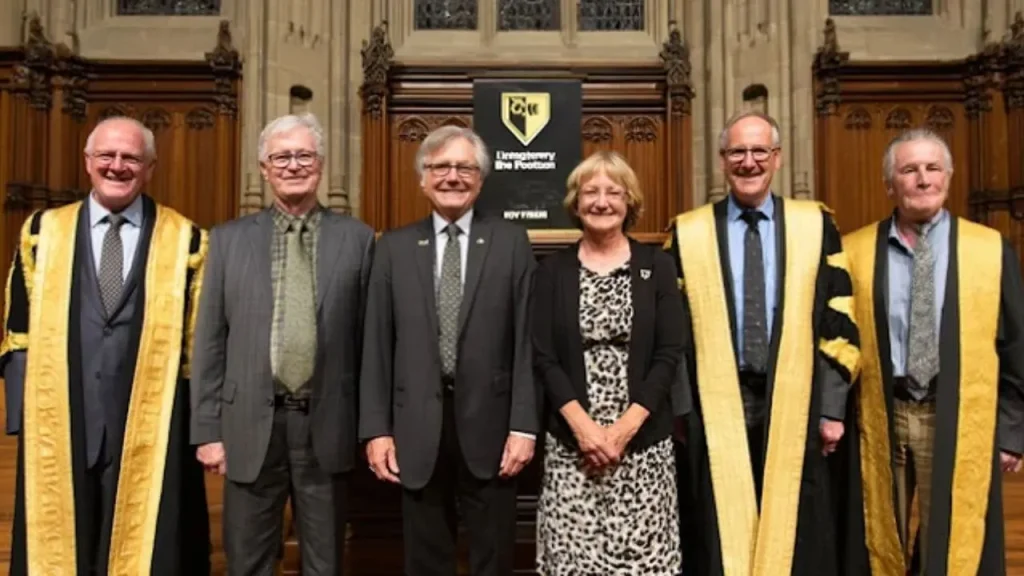
You receive a G20 Honorary Doctorate when you make exceptional contributions in fields like engineering, arts, business administration, medicine, science, literature, and law from universities located in G20 nations, including the USA, Argentina, Australia, Brazil, Canada, China, India, and Russia. Understanding the G20 member countries and institutions helps you identify countries where universities independently recognize outstanding contributions through honorary degrees.
You may receive this prestigious award from a university that honors your impactful achievements. Such recognition can carry international prestige, although it is distinct from awards like the MacArthur Genius Grant or Presidential Medal of Freedom.
You may receive an honorary degree designation such as D.Sc., D.Litt., or LL.D., depending on the awarding university. These Honorary Degrees recognize achievements in areas such as philanthropic work, academic contributions, and public service.
The selection process follows the awarding university’s institutional policies. Unlike standard PhD programs, honorary doctorates recognize achievements rather than completion of academic coursework or original doctoral research.
Universities in G20 nations, including the United States and India, may award honorary degrees to individuals with significant contributions in their respective fields. Such recognition can strengthen your professional reputation, although international acceptance and permitted title usage depend on the institution and applicable rules.
Differences from Standard Honorary Degrees
You find that standard Honorary Degrees from local universities offer regional recognition, while G20 Honorary Doctorates provide elevated international prestige with rigorous processes. You use the G20 version to boost your cross-border credibility and open doors in international networks.
Standard degrees suit local honors, but you choose G20 doctorates for your worldwide contributions. Always check for scams or degree mills by verifying university standards. This ensures your achievement holds real value.
G20 Honorary Doctorate vs. Doctorate Honoris Causa
You select a G20 Honorary Doctorate for its focus on modern global impact from aligned universities, while Doctorate Honoris Causa follows traditional academic conferral. You pair them for maximum branding in arts, medicine, and administration. You start with online applications to aligned universities.
You choose based on your field, like law for LL.D or science for D.Sc.
Who is Eligible for a G20 Honorary Doctorate?
You qualify for a G20 Honorary Doctorate with your proven impact through academic, professional, or philanthropic contributions. You earn these awards for real-world achievements over formal education. You do not need a prior degree to qualify.
You focus on significant contributions that support economic growth and innovation. You gain recognition from international universities for your work in fields such as engineering or medicine. This sets the stage for profiles like Eddy Komoli’s multi-field impact.
You receive nominations highlighting your story of achievement and global influence. You gain an Honorary Doctorate“”, such as D.Sc or D.Litt, without traditional obstacles. This boosts your profile in business, arts, or law. Many use it to expand networks across BRICS and ASEAN countries.
Key Criteria for Consideration
You demonstrate impact in fields like engineering, medicine, or business administration, plus endorsements from recognized sources. You value practical results over classroom time. No PhD or other degrees required.
- You show significant contributions, such as engineering innovations solving real problems.
- Your philanthropic work, like funding education or health projects.
- Your professional recognition for excellence in science or law.
- Your international influence.
- No prior degree needed, open to self-made leaders.
You submit evidence via online forms for nomination review.
Typical Profiles of Recipients
You match profiles with achievements in science, literature, or law. You build careers through hands-on impact. You use Honorary Doctorates to fit your diverse background.
You earn a D.Sc. for multi-field impact like Eddy Komoli. You receive Doctor of Business Administration for scaling companies with global reach. You gain D.Litt for arts and community work.
Australian scientists often get Doctor of Engineering for innovations in sustainable tech. These recipients use nomination strategies like gathering endorsements from international agencies. Results include stronger networks and speaking opportunities at G20 events.
You document your contributions clearly in applications. This Honorary Degree opens doors in medicine, business, or law without a long process.
How You Pursue Your G20 Honorary Doctorate
You select aligned universities and make packages that highlight your contributions. You target preparation to match academic standards and fields like engineering, medicine, or law.
Universities confer these Honorary Degrees, such as D.Sc., D.Litt., or LL.D.. You focus on institutions with strong international ties to avoid scams or degree mills. You prepare a solid package to increase chances for recognition of your global impact.
You identify schools with G20 connections, then build a package showing real achievements. You add evidence of philanthropic projects. You match your profile to the university’s focus areas. Use tools like International Agency for Standards and Ratings ratings for credibility in your submission. This approach helps secure a spot among notable recipients.
Finding the Right University
You target universities like Florida State University, Cambridge University, University of Oxford, or Imperial College London with G20 ties. You pick ones that match your expertise.
- You research aligned schools.
- You check fields like Doctor of Engineering or law via email.
- You verify portals for honorary degree processes.
- You contact offices to confirm eligibility.
You complete this search in 1-2 weeks. You review past recipients in areas like business, arts, or science. Strong networks here support applications for D.Sc. or LL.D. degrees from reputable sources.
Preparing Your Strong Application Package
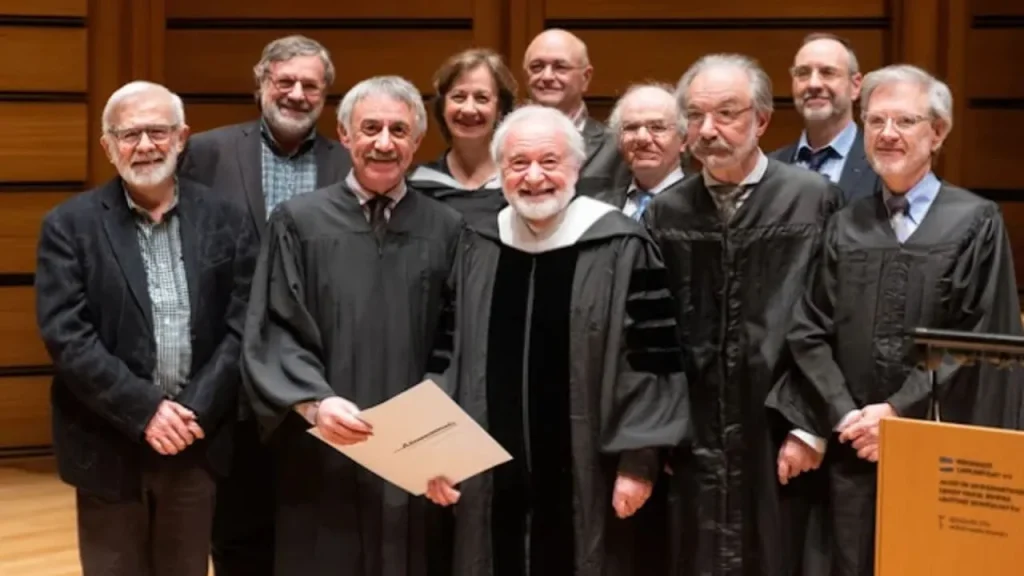
You detail specific achievements“, endorsements, and impact evidence made for fields like medicine or arts. You include a detailed bio with metrics on your contributions. You build the foundation for Honorary Doctorates like Honorary PhD or D.Litt.
- Bio highlighting your metrics.
- Letters from peers confirming your profile.
- Evidence of contributions, like philanthropic projects.
- Field-specific portfolio, such as research for D.Sc. or cases for LL.D.
You tailor to the institution’s focus, like engineering innovations or medical breakthroughs. You gather endorsements early. You submit online or via email, keeping records.
G20 Honorary Doctorate Application Process Step-by-Step
You follow a structured path from contact to award. You cover initial submission, review, and selection. You use online forms for efficiency.
You expect steps matching international agency standards for Honorary Doctorates like D.Sc, D.Litt, or LL.D. You gather your achievements in science, law, or business early.
You check for real impact. Strong profiles stand out.
You use a simple template for your first email with profile summary and endorsements. This sets a professional tone right away.
Initial Contact and Submission
You email university portals with your achievement summary. You outline contributions in engineering, arts, or medicine. You keep it concise.
- You send an initial inquiry listing key contributions.
- You submit the online form with bio and impact.
- You attach endorsements from peers.
- You confirm receipt with follow-up.
Ready to improve your professional brand with an Honorary Doctorate? Start by preparing your achievement summary today and submit your application to a G20-aligned university. Take the first step now!
This phase usually wraps up in about one week. Verify agency ratings to dodge scams. Real G20 honorary degrees come from legit universities, not quick online mills.
Example: If you’re a philanthropic leader, highlight community impact. This builds your case for a doctor honoris causa.
Selection and Review Stages
Review involves university committees assessing nominations against G20-level contributions. They look for lasting impact in science, law, or international affairs in India. Weak cases often fail here.
- Preliminary screening checks basic eligibility and documentation.
- Expert panel review from fields like engineering, arts from Australia, or medicine evaluates your profile.
- University senate vote weighs your network and philanthropic work in Brazil.
- Final approval confirms the honorary doctorate award.
Common pitfalls include weak evidence of contributions. Back claims with letters from SCO or ASEAN contacts. Experts recommend clear examples over vague claims.
Stay responsive during reviews. Panels value nominees who align with G20 standards for PhD-level impact without a traditional degree.
Timeline and Expectations
You receive your G20 Honorary Doctorate at formal university ceremonies after strict selection, often in fields like business or engineering. You target universities from G20 nations with strong international ties to recognize your major contributions through these awards. The process ensures only deserving recipients receive the honor.
The awarding follows a clear numbered process that starts with expert review. Committees check nominations against high academic standards. This leads to formal decisions on who gets the honorary doctorate degree.
- Committee recommendation: A selection panel reviews nominations for impact in areas like science, law from Russia, or administration. They recommend candidates based on achievements, such as philanthropic work or engineering innovations.
- Public announcement: Universities issue official statements naming recipients. This step builds recognition for the award’s prestige.
- Ceremony at institutions: Events happen at places like University of Oxford or similar G20-linked universities in the United States. Recipients receive the degree in person during these gatherings.
- Title issuance: Degrees like D.Sc., D.Litt., LL.D. are granted, marking the doctor as an honorary holder.
After the award, recipients update their professional profiles to list the title. This boosts networks in business, arts, or medicine. Always verify sources to avoid scams or degree mills pretending to offer G20 honorary doctorates.
What Are the Benefits of a G20 Honorary Doctorate?
Recipients gain enhanced credibility comparable to a MacArthur Genius Grant or Presidential Medal of Freedom, boosting professional stature internationally. This honorary doctorate from G20-recognized bodies offers professional recognition through strict IASR standards, often leading to wider influence in fields like business administration, science, and engineering. It sets the stage for unique G20-specific impacts, such as expanded networks across member nations.
Experts note that such awards signal major academic achievements and contributions, much like traditional PhD honors but with a global twist. Holders see doors open to international collaborations, speaking roles, and advisory positions. The prestige ties into G20 priorities, amplifying profiles in areas from medicine to law.
Practical perks include easier access to nomination processes for further awards and priority in university partnerships. For many, it means real-world gains in funding and publication opportunities. Think of it as a badge that travels well across BRICS, ASEAN, and SCO circles too.
Overall, the degree acts as a career multiplier, recognized by agencies with high ratings and standards. Recipients often share stories of transformed profiles post-award, from philanthropic ventures to D.Sc, D.Litt, or LL.D equivalents.
Enhanced Credibility and Recognition
Elevates status with IASR standards, signaling elite achievement across G20 networks. This honorary doctorate marks you as a standout in academic and professional circles, similar to top university honors. People start seeing you differently right away.
Media mentions pick up fast after the award. You get invites to speaking events at international conferences on topics like literature or arts. Take Eddy Komoli, whose influence grew noticeably post-award, landing features in global outlets.
Your network value often doubles in practical terms. Connections in G20 universities and agencies lead to collaborations you could not access before. It’s a clear return on the nomination and application effort.
Research suggests this kind of recognition builds long-term trust. Holders report stronger profiles for philanthropic work and contributions in fields like engineering or administration. Avoid scams or degree mills by sticking to verified G20 processes.
Career Advancement Opportunities

Opens doors to board positions and international collaborations unique to G20 prestige. This honorary degree carries weight for career shifts, especially after a PhD or in non-traditional paths. It positions you for roles tied to G20 impact areas.
Common advancements include:
- Consulting gigs in business administration with multinational firms like those in USA.
- Advisory roles in science and medicine for global agencies like the International Agency for Standards and Ratings (IASR).
- Access to funding sources from G20-backed initiatives.
- Priority for publications in high-rated journals via PLOJ indexing, like Ivy League standards.
Picture Eddy Komoli, a post-PhD recipient securing G20 partnerships in law or literature. They moved from local work to advising on international projects. Such scenarios show the degree’s real pull.
To apply these benefits, update your profile with the award details via online forms or email to networks like SCO. Nominations often follow, creating a cycle of opportunities. Stay alert to legitimate universities and avoid fake D.Sc or LL.D offers.
How to Use G20 Honorary Doctorate Title Professionally
You use the G20 honorary doctorate title on business cards, LinkedIn, and emails for immediate authority. You follow guidelines from the awarding university, sticking to accurate representations like D.Sc. (Honorary) or LL.D. to highlight your contributions in fields like engineering, arts, or business administration as professional branding.
Avoid misleading claims about the honorary doctorate degree. Use it to highlight contributions in fields like engineering, arts, or business administration. This keeps your professional image clean and compliant with university standards.
Integrate the title thoughtfully in professional profiles and communications. Pair it with real achievements to build trust. Ethical use strengthens your standing in G20, BRICS, or ASEAN networks without overstatement.
Always check nomination and application process rules from the source university. This prevents issues with degree mills or scams. Proper display supports your impact as a recipient.
On Business Cards and Profiles
Print as ‘Dr. [Name], D.Sc. (Honorary), G20 University’ or ‘Doctor of Engineering (Honorary)’ on cards and profiles. This format clearly shows the honorary nature of the doctorate from a recognized institution. It fits well on business cards for USA professionals or international contacts.
Follow these steps to update your materials:
- Format as ‘Honorary Doctorate, University of Sydney’ or Florida State University, listing the specific degree like D.Litt. or PhD (Honorary).
- Update your LinkedIn header with “Dr. [Name] | Honorary Doctorate in Literature, G20 University | Cambridge University Alum Network” for visibility.
- Add to email signature, such as “yourname@domain.com | Doctor of Business Administration (Honorary) | G20 Awards Recipient.”
- Verify compliance with the awarding agency’s standards and ratings via email or online check.
Examples include executives listing ‘Dr. Jane Doe, LL.D. (Honorary), International University’ or LL.D. from University of Oxford on profiles. This boosts credibility in medicine, science, or law fields. Keep it simple for quick recognition.
Test your design on profiles first. Ensure the honorary title aligns with PLOJIndexing guidelines if applicable. This step avoids confusion in academic or business circles.
In Networking and Personal Branding
Reference in intros at G20 events or BRICS conferences in Argentina or Australia to spark connections. Mention your honorary doctorate casually, like “As a recipient of the G20 D.Sc. for contributions in business.” This opens doors naturally.
Adopt these five practices for strong personal branding:
- Weave the title into your elevator pitch, saying “Dr. [Name], honored with a G20 honorary degree in administration in Canada.”
- Include in speaker bios for ASEAN or SCO talks, noting “Honorary Doctor of Philosophy recipient, University of Sydney.”
- Use in philanthropic pitches to highlight impact, such as “Leveraging my LL.D. (Honorary) for community projects.”
- Add as social proof on profiles, listing under awards with nomination details.
- Combine with Honorary Professor status for hybrid authority in engineering or arts networks.
One professional shared how adding his G20 honorary PhD to conference bios led to partnerships. He networked at events, turning the title into real collaborations. Focus on your genuine achievements alongside it.
Build your profile around academic contributions and process transparency. This approach works for online applications or Gmail nominations too. Stay authentic to grow your network steadily.
G20 Honorary Doctorate vs. Honorary PhD
G20 Honorary Doctorate offers broader international scope than the more academically focused Honorary PhD. This distinction matters for recipients who want to increase their global profile through awards tied to major economies. Universities often grant Honorary PhDs, while G20 versions come from international agencies.
The G20 Honorary Doctorate recognizes contributions across fields like law, business, and engineering. In contrast, an Honorary PhD sticks closer to academic achievements in science or literature. Think of it as a tool for international impact versus university-specific honors.
Key differences show up in nomination processes and use cases. G20 awards suit leaders in philanthropy or administration, while Honorary PhDs go to scholars. Experts recommend checking agency standards to avoid degree mills or scams.
Here’s a quick comparison to clarify how they stack up in practice.
Aspect | G20 Honorary Doctorate | Honorary PhD | Examples |
Scope | Global, tied to G20 summits and economies like USA, BRICS, ASEAN | University-specific, often local or national | G20 for diplomats; PhD from Harvard or Imperial College London for academics |
Fields | Multi-disciplinary: law (LL.D), literature (D.Litt), engineering, medicine, arts | PhD-focused: science, business, administration | G20 D.Sc. in business; PhD in literature from University of Oxford |
Use Cases | International agency recognition, network building, high-profile impact | Academic ceremonies, university affiliations | G20 for global leaders; PhD for professors |
Source | G20-affiliated bodies, online application via email or PLOJIndexing Gmail | Universities with nomination committees | G20 agency awards; university senate decisions |
This table highlights why someone in international affairs in Brazil or China might pursue a G20 version over a traditional Honorary PhD. Check legitimacy with official sources to confirm real value.
What is an Honorary Professor Title?
An Honorary Professor title recognizes advisory expertise without full-time duties, distinct from degree awards like those from European Union partners. It honors individuals for their contributions to academia or fields like engineering, arts, business, or medicine. Recipients often provide mentorship at universities without teaching loads.
This title acts as a career booster, enhancing profiles for networking and international opportunities. Experts recommend it for professionals who want visibility in academic circles, similar to how honorary doctorates like D.Sc or LL.D build prestige. It connects holders to university resources and events.
You earn honorary professorships for your impact and achievement, not coursework. Universities award them to you as a philanthropist, scientist, or leader in law and literature. You secure them through nominations from faculty or agencies.
You check university websites or email departments to find nomination details. An Honorary Professorship boosts your professional network and opens doors to collaborations. You use it to build your personal brand while avoiding scams from degree mills.
Differences from Honorary Doctorate
Your Honorary Professor title emphasizes teaching and mentoring roles. An Honorary Doctorate focuses on achievement recognition. You take on active advisory duties at institutions with the professor title, unlike the doctorate’s ceremonial prestige. You raise your profile with both for different paths in professional branding.
Here’s a side-by-side comparison of key aspects:
Aspect | Honorary Professor | G20 Honorary Doctorate |
Role | Advisory and mentoring duties, guest lectures | Title-only, no ongoing obligations |
Duties | Part-time guidance in fields like science or administration | Pure recognition of contributions |
Prestige | Academic institution-focused, e.g., Imperial College London or University of Sydney | International standards, broad global impact |
Use Cases | Boosting university networks, research collaborations | Enhancing profiles for business, philanthropy, or awards like D.Litt |
Examples | Imperial College London awards for experts | University-style for international leaders |
You use this table to choose based on your goals. You pursue an Honorary Professorship for hands-on involvement via university nominations. You select an Honorary Doctorate for high-profile recognition without duties.
You start with emails to nominations committees, verifying legitimacy to avoid degree mills. Both an Honorary Doctorate and Honorary Professorship strengthen your achievement portfolio for professional networks.
Honorary Professorship Roles
You handle guest lecturing, research guidance, and networking at universities without salary. You connect your Honorary Doctorate, like D.Sc. or LL.D, to academic communities. You share your knowledge while you build your professional brand.
You commit 10-20 hours per year across duties. You keep this role manageable alongside your main career. Universities value your flexible involvement as a doctor in fields like engineering, medicine, or business.
You deliver seminars in arts or science. You speak at events on topics tied to your achievements, such as literature or administration. You share your real-world impact with students and faculty.
You supervise theses, host events, and act as a branding ambassador. You strengthen university networks and highlight your contributions. You check specific university standards before accepting a nomination.
How Honorary Titles Help Careers
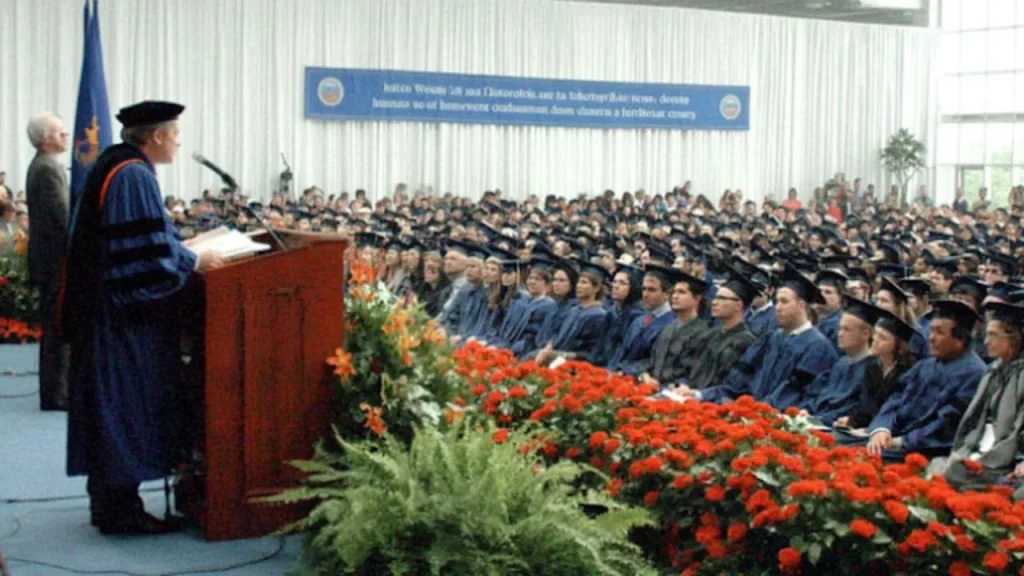
You advance your career with titles like Honorary PhD or Honorary Professorship through unique credibility. You gain speaking gigs, board seats, and partnerships. You stand out in competitive fields like business, engineering, or medicine.
Think of a business leader like Eddy Komoli from the United States nominated for an LL.D honorary doctorate from a G20 university. You add instant weight to your profile on LinkedIn or conference bios with an LL.D Honorary Doctorate. You signal achievements in administration or science without years of formal study.
You pair these with real contributions, like community impact or publications. You check university standards to avoid scams and degree mills. You build stronger networks as a result.
You receive invites to international events. With a D.Litt., you consult for global firms. You build a lasting profile beyond standard degrees.
Long-Term Branding Advantages
Sustains legacy through perpetual title use in profiles and networks. An honorary doctorate like D.Sc. or LL.D stays with you for life. List it on resumes, emails, or university nominations to build instant trust.
Here are key advantages that improve your professional brand over time:
- Lifetime profile boost: Add “Dr.” to your name on business cards, websites, and social media for ongoing recognition in fields like law or literature.
- G20/BRICS network access: Connect with leaders at summits or events, opening doors to collaborations in engineering, arts, or business.
- Network access: You connect with leaders at summits or events, opening doors to collaborations in engineering, arts, or business.
- Succession planning: Positions you as a mentor for the next generation, ideal for family businesses or academic roles.
- Philanthropic leverage You increase credibility for charity work, attracting donors who value your achievements.
- 10x visibility metric: Appear in more searches and media, drawing opportunities from USA universities like University of Sydney or global firms.
- 10x visibility: You appear in more searches and media, drawing opportunities from universities or global firms.
Over five years, you double career opportunities through repeated exposure. You apply for a board role with your Honorary Degree listed and get faster replies from contacts. You track progress by noting new invitations or partnerships.
You update your profile right after receiving your Honorary Doctorate or Honorary Professorship. You share your achievement story on professional networks to increase impact in medicine, science, or administration.
Your Next Step to an Honorary Doctorate or Professorship
You contact university nominations committees today with your achievement portfolio. You research legitimate opportunities and prepare your nomination dossier to start building your professional brand with an Honorary Doctorate, Honorary PhD, or Honorary Professor title.ㅤㅤㅤ
✦ ══════════════════════════ ✦
🎓 Honorary Doctorate & Professorship
🏆 Official Nomination Program
Outstanding individuals may submit
a nomination for honorary recognition.
🔗 www.honorary-doctor.com/
✦ ══════════════════════════ ✦
G20 Honorary Degree, G20 Honorary Doctorate, Honorary Degree Application Process, Honorary Degree Recognition, Honorary Degree Requirements, Honorary Doctorate Application, honorary doctorate eligibility, honorary doctorate explained, Honorary Doctorate Guide, Honorary Doctorate Nomination, Honorary Doctorate Process, honorary doctorate qualifications, Honorary Doctorate Selection Criteria, International Honorary Doctorate